

Don’t Outsource Financial Literacy
Over the years I have spent investing and trading, I have observed something that holds true across every level of wealth and sophistication: the people who come out best are rarely the ones with the most capital, or the most complex portfolios. They are the ones who...

Loss Aversion: Why Losing Hurts More Than Winning Feels Good
Imagine losing $100. Now imagine finding $100. Which experience feels stronger? If you’re like most people, the pain of losing that money hits twice as hard as the pleasure of gaining it. This psychological phenomenon is known as loss aversion, one of the most...
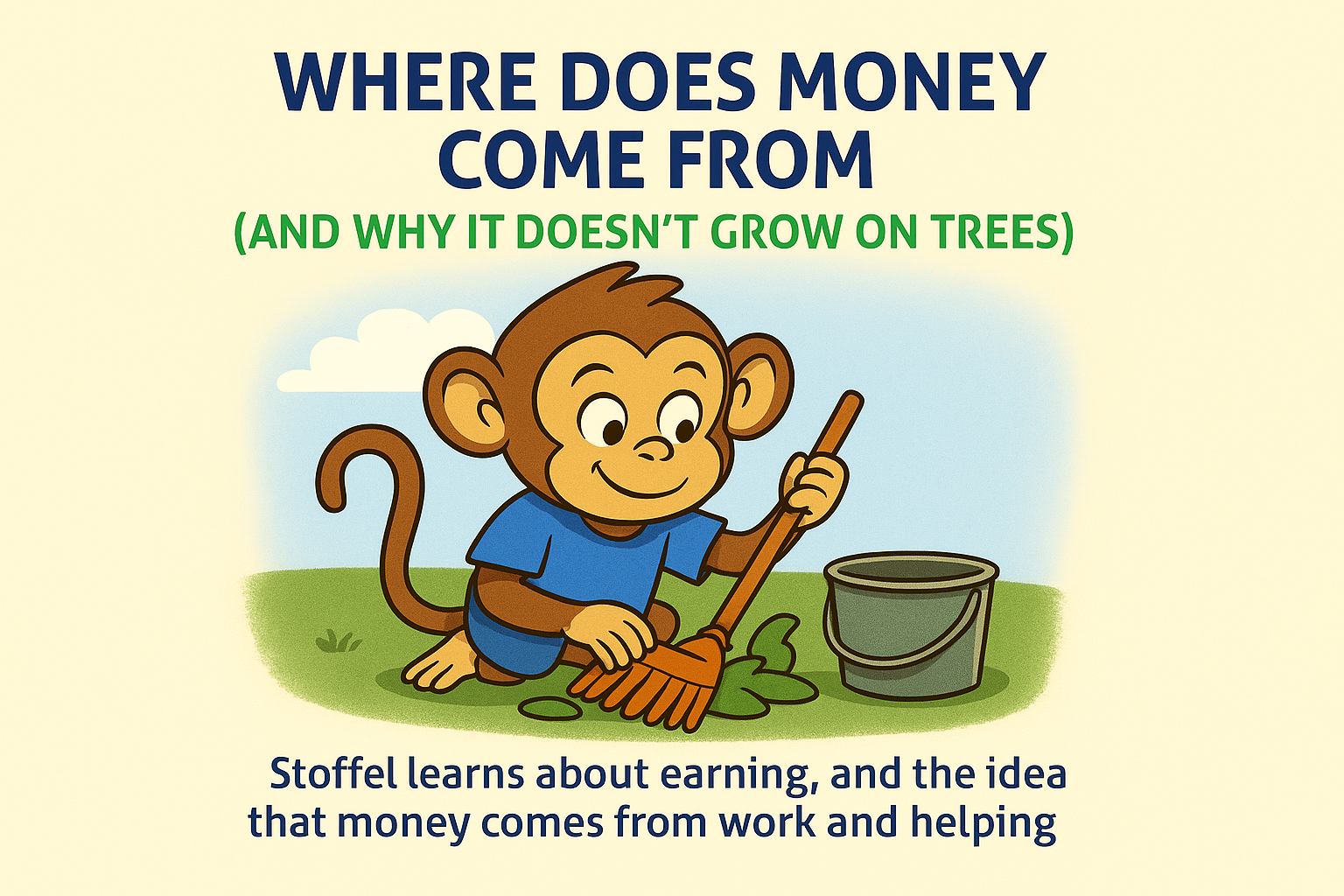
Where Does Money Come From? (And Why It Doesn’t Grow on Trees)
A Note to Parents By now, your child understands how to save and spend, spot needs versus wants, and even make a mini budget. Now it’s time to talk about where money actually comes from - and why it doesn’t magically appear. This post introduces the concept of...

What Is a Budget? (For Kids!)
A Note to Parents Now that your child understands how to save and spend - and how to tell needs from wants - it's time to introduce another key financial skill: budgeting. Think of budgeting as a simple plan that shows kids how to use their money on purpose instead of...

Volatility Targeting: A Guide to Stabilizing Portfolio Risk
Volatility targeting is an investment strategy that aims to keep your portfolio’s volatility at a consistent, predetermined level over time. In this beginner-friendly guide, we’ll explain what volatility is and why it matters, how volatility targeting works (for...

The Downfall of Signa Holding and René Benko: Lessons for Retail Investors
René Benko and Signa Holding’s Meteoric Rise René Benko was once hailed as a real estate wunderkind. A high school dropout from Innsbruck, Austria, Benko began his career converting attic spaces into luxury apartments in the late 1990s. In 1999, he founded a small...

Needs vs Wants: Helping Kids Make Smart Money Choices
A Note to Parents As your child becomes more familiar with saving and spending, the next step is teaching them how to tell the difference between a need and a want. Understanding this difference builds decision-making skills and helps kids prioritize spending – a...
Book Review: The Intelligent Investor by Benjamin Graham
First published in 1949 and updated several times since, The Intelligent Investor by Benjamin Graham is widely regarded as the definitive guide to value investing. Graham, often called the father of value investing, was also Warren Buffett’s mentor - and Buffett has...
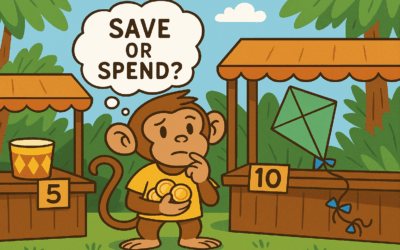
Save or Spend? Helping Kids Make Smart Money Choices
A Note to Parents Once your child starts receiving a regular allowance and learns that money can grow (thanks to the magic of compounding), the next natural step is helping them decide what to do with their money. Should they spend it now on something fun? Or should...

The Magic of Compounding
A Note to Parents Compounding is one of the most powerful forces in finance – and one of the hardest to appreciate without seeing it in action. For kids, it’s like magic: the longer your money sits and grows, the bigger it gets. Not because you keep adding more, but...
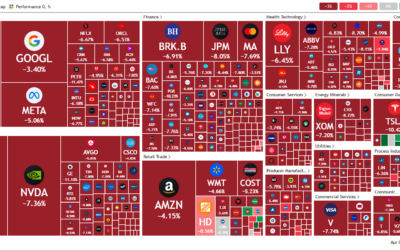
Don’t Panic: How Long-Term Investors Should Respond to Market Volatility
Tariffs, Tumult, and Staying the Course: A Note to Long-Term Investors Markets are down. Headlines are loud. Uncertainty is abundant. But for long-term investors, this is not the time to panic. In response to a new wave of global tariffs announced by the Trump...

How I’m Teaching My 7-Year-Old About Money – One Allowance at a Time
Introduction Money skills don’t develop by accident. They develop through practice – and the best practice comes from handling real money, making real decisions, and living with the consequences. I started my son on a weekly allowance when he was five. Now that he is...
Disclaimer
I am not a qualified licensed investment advisor but a private retail investor with a broader interest in financial literacy. All information and content provided here, including any thoughts and ideas, opinions, forecasts and predictions, suggestions, or investment picks expressed or implied herein, are for informational, entertainment or educational purposes only and should not be construed as personal investment advice. While the information provided is believed to be accurate, it may include errors or inaccuracies.
I will not and cannot be held liable for any actions you take as a result of anything you read here. Conduct your own due diligence or consult a licensed financial advisor or broker before making any and all investment decisions. Any investments, trades, or other decisions made on the basis of any information found on this site are executed at your own risk.
StoffelWealth.com is my personal blog focused on retail investing reflecting my personal views. No representations or warranties are made with respect to the accuracy or completeness of the content of this entire blog, including any links to other sites. The links provided are maintained by their respective organizations and they are solely responsible for their content. All information presented here is provided ‘as is’, without warranty of any kind, expressed or implied.