
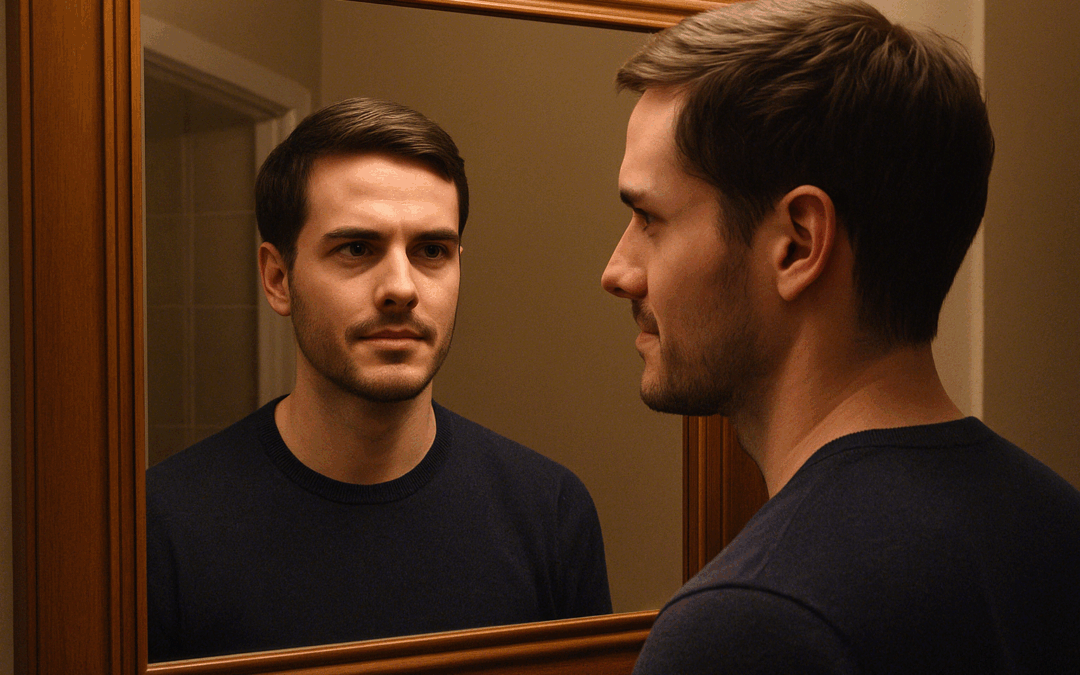
In the world of investing, confidence can be both a superpower and a silent killer. We admire those who act decisively, but when decisiveness is based on illusion rather than knowledge, the results can be disastrous.
One of the most studied psychological biases that explains this paradox is the Dunning–Kruger effect, a phenomenon where people with limited knowledge or skill in a specific domain tend to overestimate their competence in that area.
Understanding this bias isn’t just a matter of academic curiosity. For retail investors, recognizing the Dunning–Kruger effect could mean the difference between building sustainable wealth and making costly mistakes driven by misplaced confidence.
What Is the Dunning–Kruger Effect?
The Dunning–Kruger effect was first identified in 1999 by psychologists David Dunning and Justin Kruger at Cornell University. In their landmark study, participants who performed poorly on tests of logic, grammar, and humor significantly overestimated their own performance. The researchers found that those scoring in the bottom quartile grossly overestimated their abilities, while paradoxically, high performers in the top quartile actually underestimated their relative competence.
Their key insight centered on metacognitive deficits. The idea that poor performers lack not only the skills to perform well, but also the metacognitive ability to recognize their own incompetence. As the researchers explained, this creates a double burden: people are both unskilled and unaware of being unskilled.
Importantly, the effect works both ways. High performers tend to underestimate their abilities, often assuming that tasks which come easily to them must be equally easy for others, a phenomenon sometimes called “imposter syndrome”.
This insight has since been replicated in various domains from driving skills to leadership assessments, though the strength and interpretation of these replications remain subjects of ongoing academic debate.
How It Manifests in Everyday Life
The Dunning–Kruger effect appears across many contexts, not just in investing:
- At work: Employees who lack experience may overrate their own productivity or leadership abilities, while more skilled colleagues underestimate theirs.
- In sports: Amateurs often believe they could “easily do better” than professionals until they experience the complexity firsthand.
- In education: Students with limited understanding of a subject may feel overconfident until tested under pressure.
The pattern is consistent: low knowledge in a domain correlates with high confidence, while high knowledge correlates with more calibrated (and sometimes underconfident) self-assessment.
Understanding the Complexity
While the basic Dunning–Kruger pattern is well-documented, modern research reveals additional nuances. The effect specifically applies to within-domain miscalibration rather than general overconfidence. Moreover, statistical factors like regression to the mean and measurement artifacts may contribute to the observed patterns alongside purely psychological explanations.
Some researchers emphasize that the effect applies to everyone in domains where they lack expertise. It’s not just about “incompetent” people, but about all of us when we venture into unfamiliar territory. This self-reflective understanding is crucial for recognizing our own blind spots.
The popular “Mount Stupid” curve visualization showing confidence peaking early before declining and gradually recovering is actually an internet meme rather than part of the original research, though it does capture the general pattern observed in studies.
The Dunning–Kruger Effect in Investing
Nowhere is this confidence gap more financially costly than in investing.
The investing world is particularly fertile ground for this bias. The entry barriers are low. Anyone can open a brokerage account and start trading but the underlying complexity is enormous. Here are common ways it manifests among retail investors:
- Overconfidence After Early Success: A few lucky trades can create the illusion of skill. New investors who profit during bull markets often assume their strategy is superior when, in reality, favorable market conditions did most of the work. When volatility strikes, that misplaced confidence often vanishes along with their gains.
- Ignoring Risk and Diversification: Believing they “know what they’re doing,” overconfident investors may concentrate too heavily on a single stock or sector. They overlook diversification principles and underestimate downside risk.
- Chasing Hot Trends: From meme stocks to crypto surges, the Dunning–Kruger effect can drive herd behavior. Many retail investors enter trends late, convinced they’ve spotted an opportunity professionals have missed. By the time they realize otherwise, it’s often too late.
- Underestimating Emotional Bias: Overconfident investors tend to believe they’ll remain rational under pressure, but behavioral studies show that fear and greed dominate decision-making when markets swing. Recognizing this gap between perception and reality is crucial.
- Neglecting Continuous Learning: Perhaps the most dangerous symptom is complacency: believing you already know enough. Successful investors, by contrast, continually learn, adapt, and question their assumptions.
How to Guard Against the Trap
Self-awareness and intellectual humility are the primary antidotes. Here’s how to guard against the Dunning–Kruger effect as an investor:
- Stay Curious, Not Certain: The best investors view the market with humility. Absolute certainty is often a red flag indicating insufficient awareness of complexity.
- Embrace Feedback: Track your performance objectively. Review past trades, note mistakes, and learn from them. Unlike those caught in the effect, competent individuals can adjust their self-assessment when given appropriate feedback.
- Diversify: If you think you’ve found a “sure thing,” diversify anyway. It’s insurance against your own overconfidence.
- Keep Learning: Read widely. Understanding economics, behavioral finance, and market history broadens perspective and tempers ego. Remember that this bias affects everyone in domains where they lack expertise.
- Respect the Unknown: Even professionals with decades of experience can’t predict markets consistently. Accepting uncertainty is a strength, not a weakness.
- Seek Outside Perspective: Consider the views of more experienced investors or financial advisors who can provide reality checks on your confidence levels.
Final Thoughts
The Dunning–Kruger effect reminds us that confidence isn’t a reliable measure of competence, particularly in complex domains like investing. The market doesn’t reward how certain you feel; it rewards how disciplined and self-aware you are.
As David Dunning himself has noted, we are all susceptible to overconfidence in areas where we lack expertise. True investing mastery doesn’t come from believing you’re smarter than the market. It comes from knowing your limits, respecting complexity, continuously learning, and maintaining the intellectual humility to question your own assumptions, one thoughtful decision at a time. Humility is not weakness; it’s a strategy for survival.