
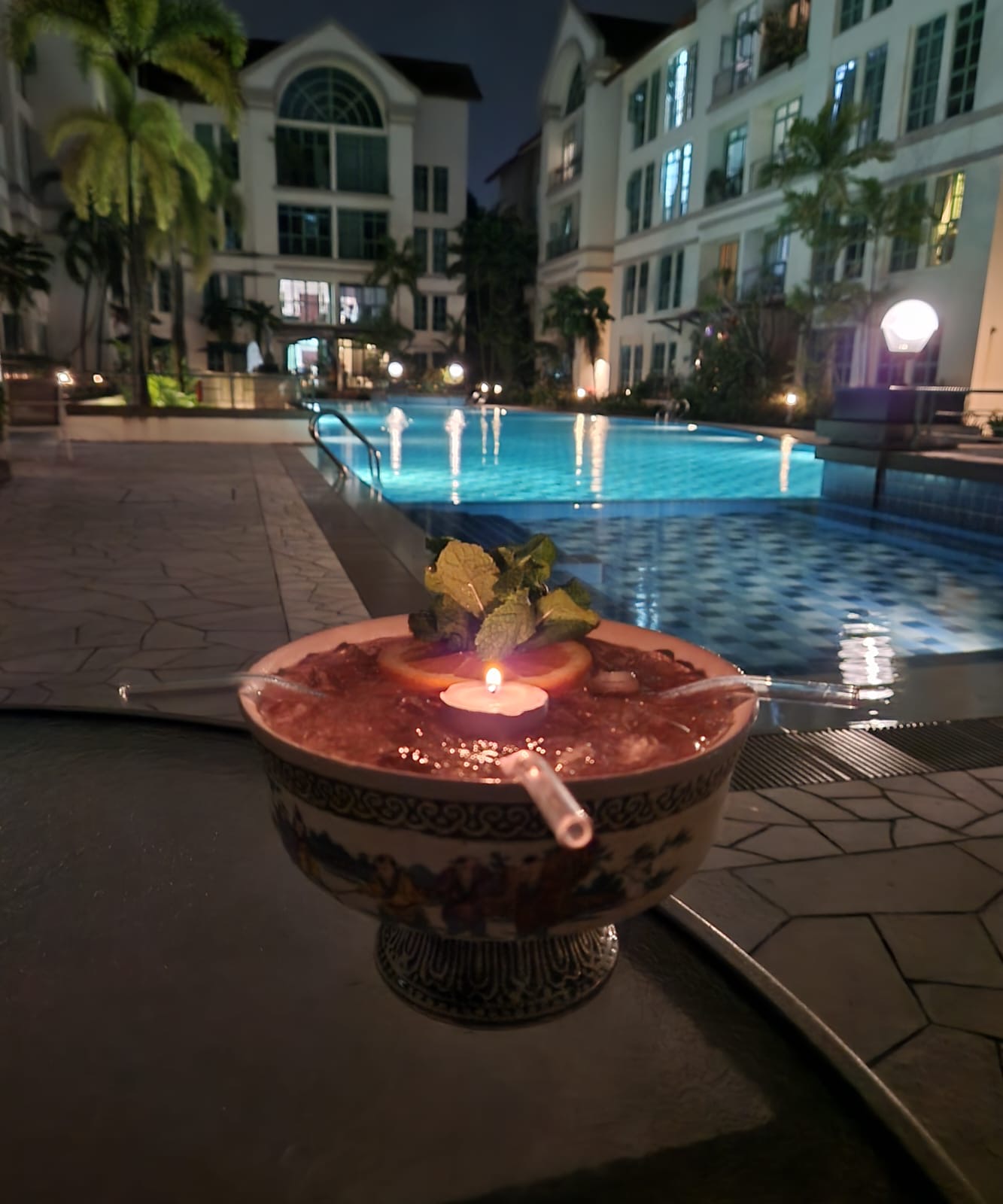
52 Drinks by the Pool
My friend is a proper cocktail mixologist. Every weekend he posts a picture of a new cocktail by the pool with some background information and recipe. Because why not?
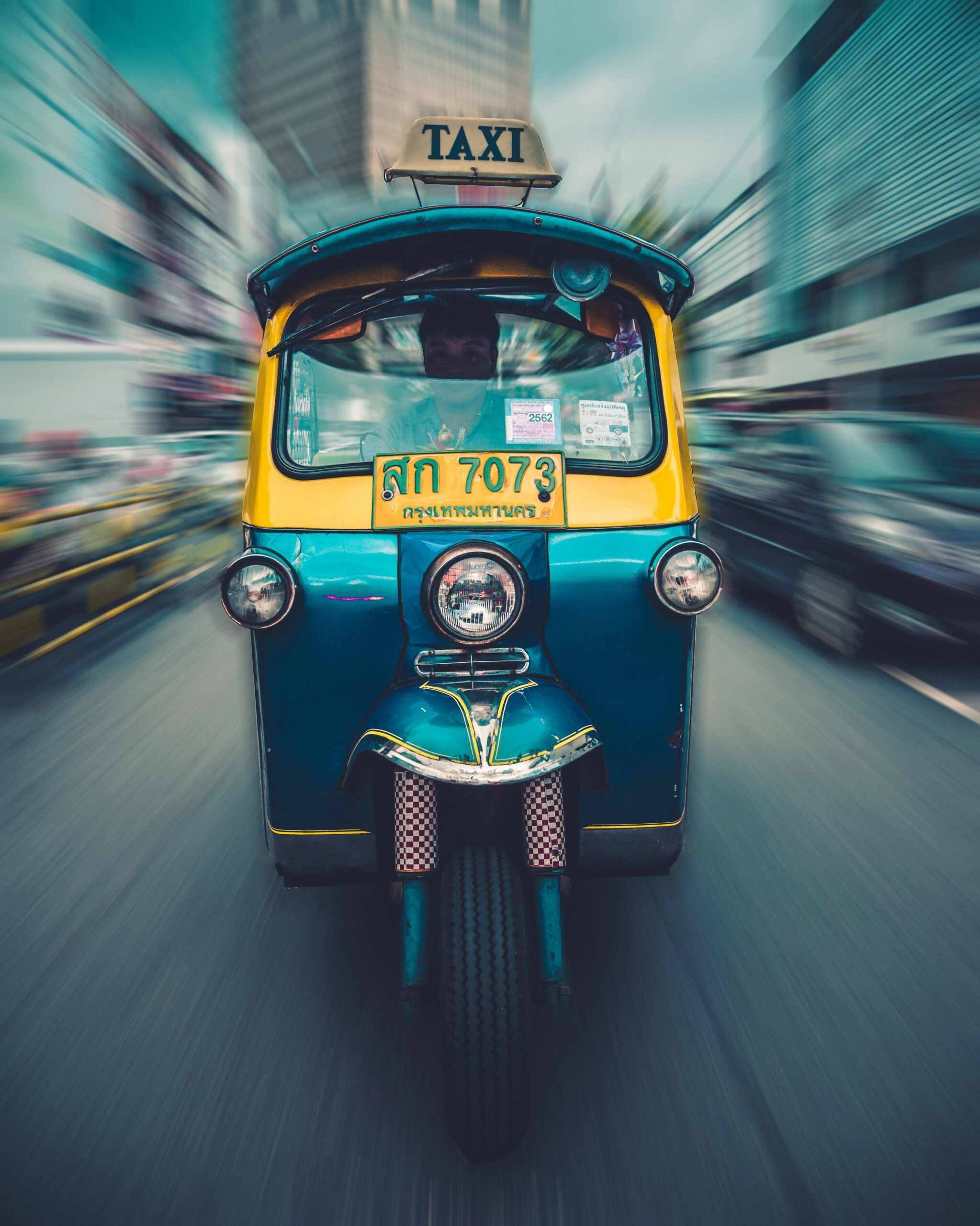
How to drive a Tuk Tuk
If you have ever been to Thailand you would have had at least seen the famous Tuk Tuks. Have a look at this post if you would like to know how to actually drive one of those iconic vehicles.
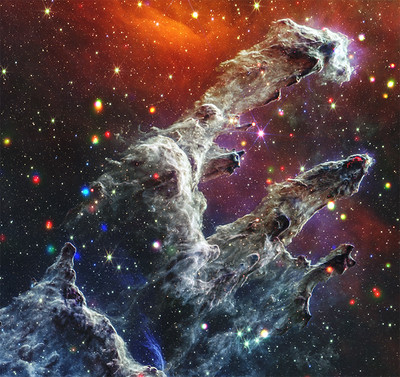
James Webb Space Telescope
The James Webb Space Telescope (JWST) is designed to operate about one million miles from Earth, making it the most powerful space telescope ever built, capable of revealing insights into the formation of stars and galaxies that were previously beyond our reach.
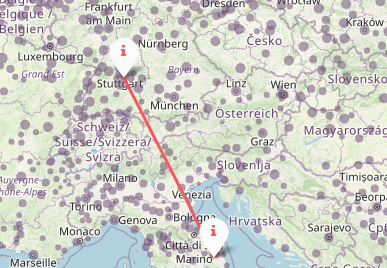
What will climate look like in 60 years?
This app uses forecasting models to predict how the climate in specific locations will feel like in 60 years from now. For my hometown near Stuttgart, Germany, I am quite happy with the prediction of a mediterraenen climate at the east cost of Italy. Unfortunately, the prediction for my current place of residence in Singapore feels less promising to put it mildly. Try it out for yourself!
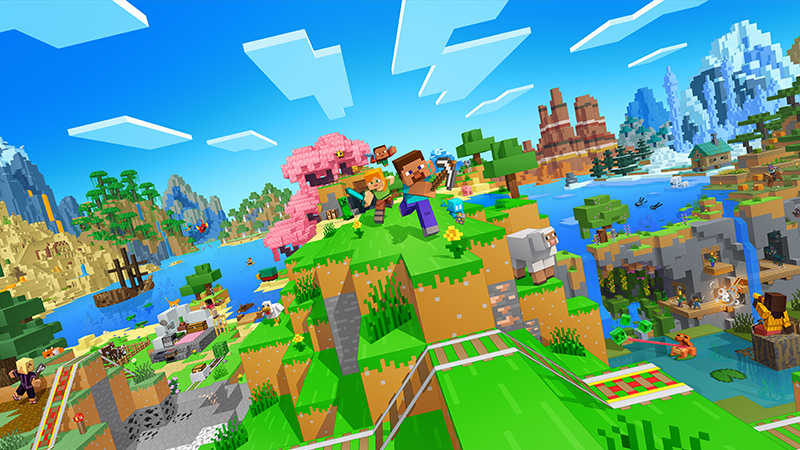
The psychology behind why children are hooked on Minecraft
As a parent, I’ve often worried that my son is a little too obsessed with Minecraft – it’s hard to pull him away from the screen, and sometimes it feels like he is slipping into a digital rabbit hole. But reading this article changed my perspective. I hadn’t realized how deeply Minecraft aligns with how children naturally learn: through play, imagination, and building. The game isn’t just entertainment – it’s a way for kids to develop focus, creativity, and even social connections. Understanding that it’s more like a limitless box of Lego in digital form – one that encourages problem-solving and collaboration – has helped me feel more at ease. With clear boundaries and involvement, Minecraft can actually be a powerful learning space rather than just a time sink.
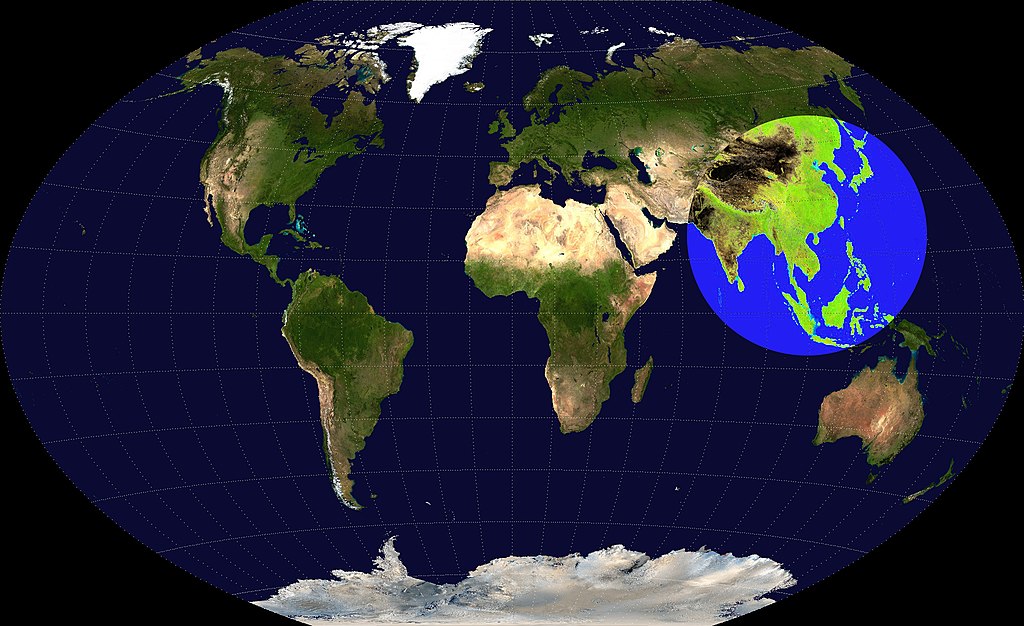
A Small Circle in Asia Contains More Than Half the World's Population
The Valeriepieris circle is a geographical concept describing the smallest possible circle drawn on the Earth’s surface that contains at least half of the world’s population, despite covering less than 10% of the planet’s area. Originally proposed in 2013 by Ken Myers using a map centered on the South China Sea, subsequent refinements using more precise calculations found the smallest such circle is actually centered near Mong Khet, Myanmar, with a radius of about 3,300 kilometers. Remarkably, this circle includes much of Asia’s most populous nations including China, India, Indonesia, Bangladesh, and Japan, as well as dense urban centers, oceans, and sparsely inhabited areas like the Himalayas and Mongolia (Source: Wikipedia).